
Part Wraps in Wellingborough - Materials and Options Explained
Choosing a part wrap for your van in Wellingborough means picking the right material for the panels and use case - here's an honest look at what's available and how to decide.
What Is a Part Wrap?
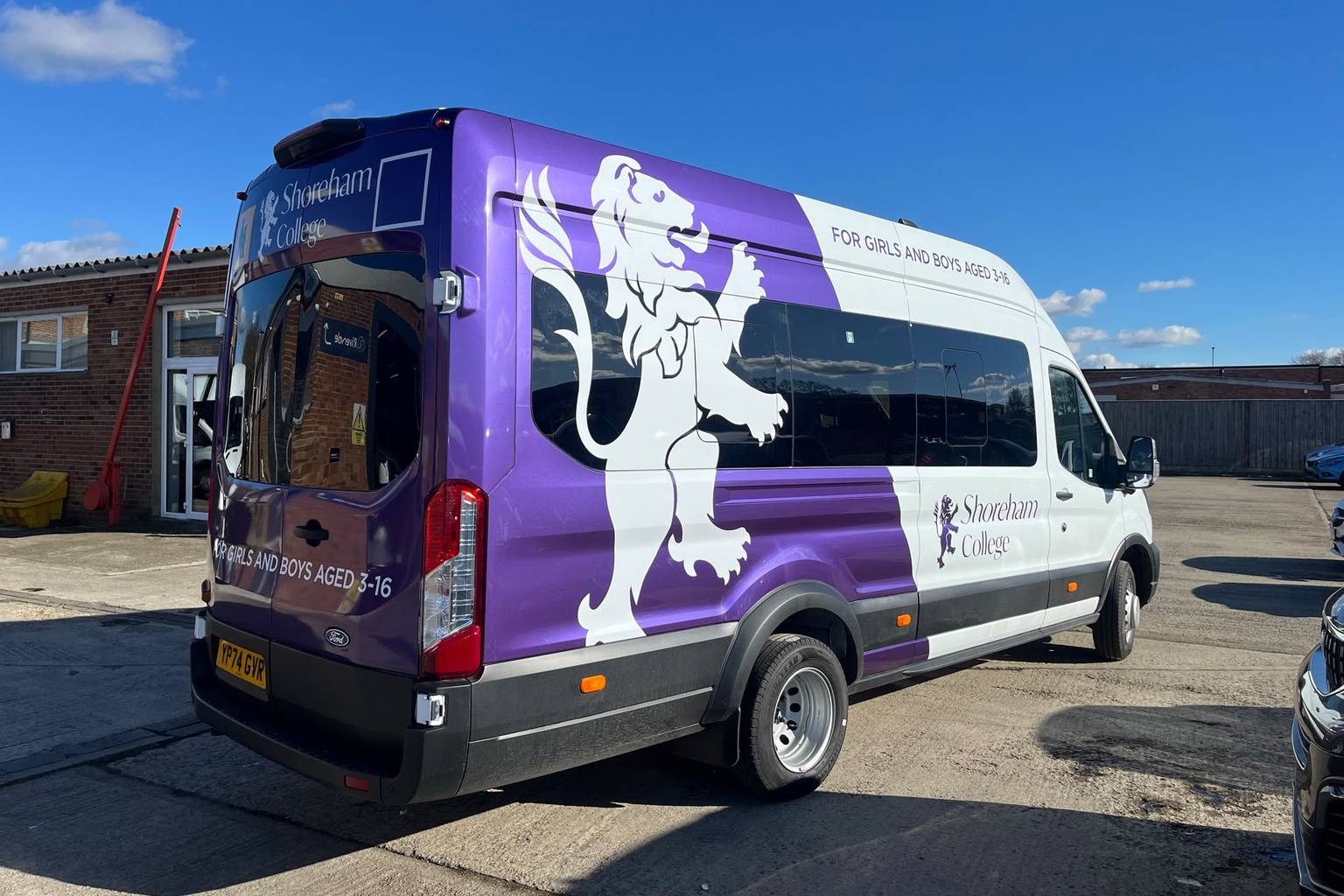
A part wrap means applying printed or plain vinyl to specific panels of your van rather than covering the whole vehicle. You might wrap the rear doors, one or both side panels, the bonnet, the roof or just the cab doors. The result is a clean, professional branded finish at a lower cost than a full wrap.
For tradespeople and small fleet managers in Wellingborough, part wraps are one of the most practical ways to get your business name and contact details in front of people without spending a fortune. The key to getting it right is choosing the correct material for the job - and understanding what the different options actually mean in practice.
Cast Vinyl vs Calendered Vinyl - What the Difference Means for You
Most vehicle vinyl falls into two broad categories: cast and calendered. The names refer to how the material is manufactured, but the practical differences are significant.
Cast vinyl is made by flowing a liquid mixture onto a casting sheet, which is then cured. The result is a thin, dimensionally stable film that conforms well to curves, recesses and complex panel shapes. It is less likely to shrink after application and holds its colour for longer under UV exposure. Cast vinyl is the right choice for any panel with significant curves or contours - bonnets, wheel arches, bumpers.
Calendered vinyl is made by pressing the material through rollers to achieve the final thickness. It is generally thicker and stiffer than cast vinyl. It works well on flat or gently curved panels - rear doors, flat side panels on larger vans. It costs less, which is relevant if you are wrapping large flat areas where the extra conformability of cast film isn't needed.
Using calendered vinyl on a heavily contoured panel is a common cause of early failure - the material is under constant stress and will lift at edges and curves. A good installer will specify the right film for each panel rather than using the cheapest option across the board.
Finish Options - Gloss, Matt, Satin and Printed
Beyond the material type, you choose how the finished surface looks. The main options are:
- Gloss: High-shine finish, closest to a painted look. Shows up well in photographs and in strong light. More likely to show swirl marks and fingerprints than other finishes.
- Matt: Flat, non-reflective surface. Popular for a modern or premium look. Can make colours appear slightly different from their screen representation, so getting a physical sample is worth doing before committing.
- Satin: A mid-point between gloss and matt. Good for white and light grey colour-change wraps. Tends to look smart on commercial vehicles without the upkeep demands of gloss.
- Printed: Full-colour digital print on a base vinyl film. This is what you use for branded graphics with logos, images or complex artwork. The print is laminated after printing to protect it from UV and abrasion. Printed wraps are what most tradespeople are after - name, number, logo, any imagery you want.
Laminates over printed vinyl add a layer of protection and can be gloss, matt or satin to match the finish you want. Using a printed wrap without a laminate is a false economy - the print degrades much faster when it's exposed directly to weather and washing.
Partial Colour Change vs Branded Graphics - Which Is Right?
These are the two main ways to use a part wrap:
Colour change on specific panels means using a plain vinyl to change the colour of, say, the rear doors or roof to contrast with the main body colour. This can look very sharp on a van you want to stand out, without necessarily including any text or branding. It is also used to protect panels or cover minor marks.
Branded graphics are printed panels carrying your business name, logo, phone number, website and any other information you want visible. This is the more common use for tradespeople - the rear doors and side panels are most effective because they offer the most visibility when you're parked on a job.
Some customers combine both - a colour-change bonnet or roof to make the van distinctive, with printed branded panels on the sides and rear. This is entirely possible within a part-wrap approach.
Honest Pros and Cons of Part Wraps vs Full Wraps vs Magnetic Signs
It's worth being clear about where part wraps sit compared to the alternatives:
- Part wrap vs full wrap: A part wrap costs less and takes less time to fit. The trade-off is that you don't get the visual impact of a fully branded vehicle, and there will be a visible join between the wrapped panels and the original paintwork or any wrapped areas. For most tradespeople, this is not a problem - the branding does its job on the most visible panels.
- Part wrap vs magnetic signs: Magnetic signs are cheaper upfront and removable. They move, pick up dirt underneath, and can scratch paintwork over time. They also look less permanent than a wrap, which matters to some customers when they're deciding whether to trust a tradesperson. A part wrap is a more permanent, more professional finish.
- Part wrap vs vinyl lettering (cut vinyl): Cut vinyl applies individual letters and shapes without a full printed background. It is cheaper than a printed part wrap and is a good option if your design is simple - name, number, perhaps a logo in a single colour. If you want full-colour imagery or a complex design, printed vinyl is the right choice.
What Affects How Long a Part Wrap Lasts
Material quality and correct specification matter most. Beyond that, how the van is washed makes a real difference - pressure washers used at close range and at a direct angle to panel edges will force water under the vinyl over time. Hand washing or a careful contactless wash extends the life of any wrap significantly.
Parking in direct sun for extended periods accelerates UV degradation of the printed layers. This is a practical consideration for vans that sit outside all day rather than being garaged.
Our Process for Wellingborough Customers
We design and print everything in-house - no subcontracting artwork or print. We come to you, so the installation is carried out at your premises in or around Wellingborough. If you have existing graphics that need removing first, we handle that too.
To get a useful quote, let us know the make and model of your van, which panels you want wrapped, and whether you have artwork ready or need a design done from scratch. Call Van Wrapping Northampton to get started.
Why use us in Wellingborough
- Your design shown on your vehicle before printing.
- Graphics designed and printed by us.
- We fit at your premises in Wellingborough.
- We are insured.
Also available
Other services in Wellingborough
Van Wrapping
We design, print and fit full or partial van wraps in Northampton, working at your premises so your vehicle never needs to leave your site.
See detailsCommercial Vehicle Wrapping
We wrap commercial vehicles of all types across Northampton, from small vans to large panel vans and specialist bodies.
See detailsFleet Wrapping and Branding
We design, print and fit branded wraps across entire vehicle fleets in Northampton, ensuring every vehicle in your fleet looks consistent.
See detailsPart Wraps in Wellingborough?
Phone us or fill in the form. A few details about the vehicles are enough for us to start on a written quote.