
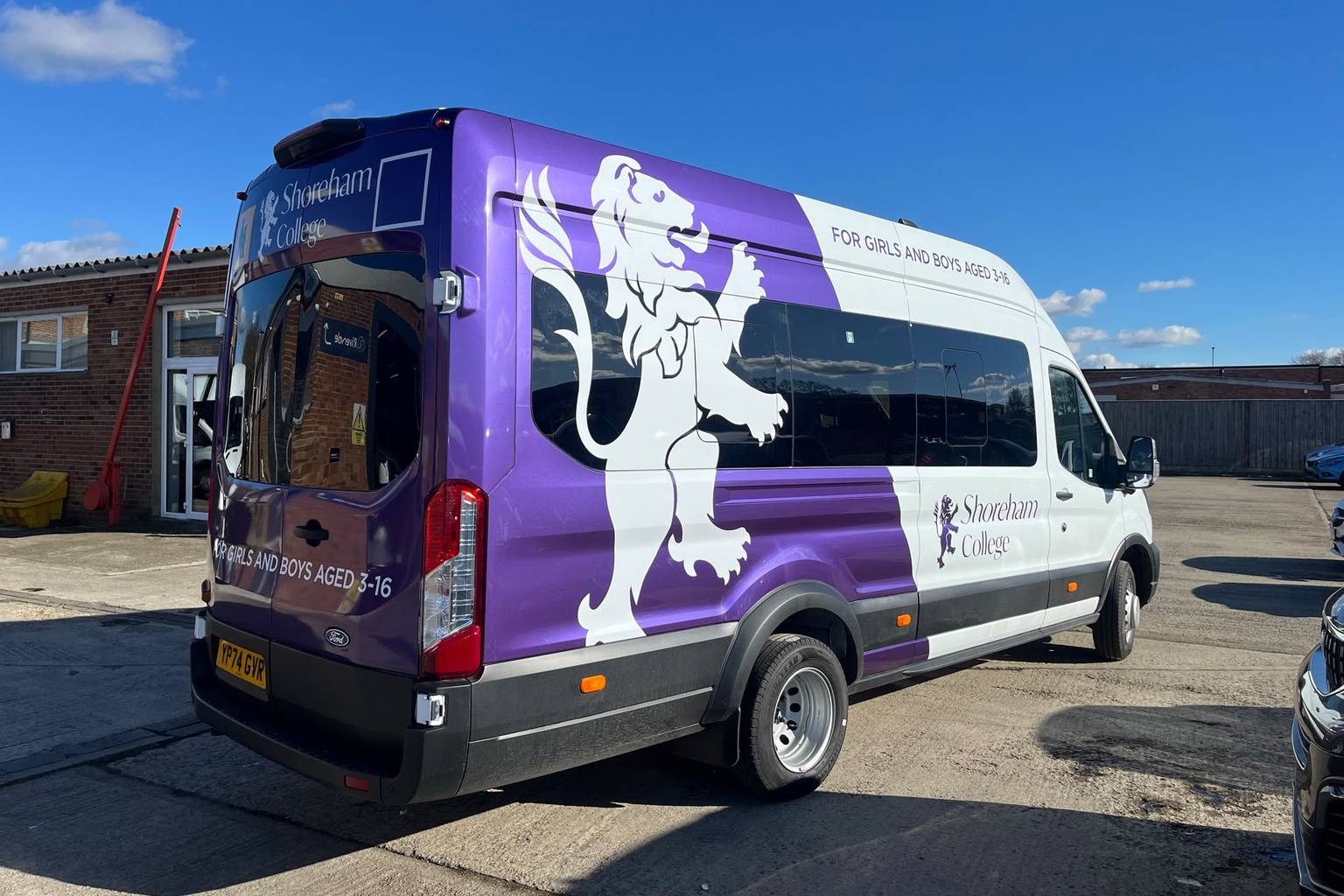
Part Wraps in Duston - What to Do While You Wait (and What to Leave to Us)
If you have booked a part wrap for your van in Duston, or you are waiting to get one sorted, there are a few things worth knowing about how to prepare your vehicle and what not to attempt in the meantime.
The Gap Between Deciding and Getting It Done
Most van owners and fleet managers do not get a part wrap fitted the day they decide they want one. There is a process - agreeing the design, approving artwork, scheduling the installation visit. That gap might be a few days or a couple of weeks. How you treat the vehicle in that time, and what you do or do not do to it, affects how the job goes.
This page covers what is genuinely useful to do while you wait, what is harmless, and what can cause a real problem if you get it wrong.
Get the Vehicle as Clean as Possible Before the Appointment
Surface preparation is a critical part of any wrap installation. The panel needs to be clean of grease, wax, polish, road film and any chemical residue before vinyl is applied. Your installer will carry out a thorough degreasing on the day, but the cleaner the vehicle arrives, the less prep time is needed and the less risk of any contamination being missed.
Give the panels that are being wrapped a proper wash before the appointment. Use a plain vehicle shampoo with no wax additives. Do not apply any tyre shine, panel protector or detailing spray to those panels in the days before - silicone-based products in particular can leave a residue that interferes with vinyl adhesion even after cleaning. If you regularly apply these products, let your installer know so they can prepare accordingly.
Remove Accessories That Are in the Way
Roof bars, ladder racks, side step brackets, work light bars and magnetic signs mounted on the panels being wrapped will all need to be clear of the area. Some of these you can remove yourself before the appointment. Others may need tools or involve wiring.
Check with your installer in advance which accessories they need cleared and whether you are expected to do it or whether they will handle it. Turning up with a full roof rack still bolted on when the installer has come to wrap the roof wastes time for everyone.
If you have magnetic signs or stick-on lettering already on the van, remove those before the installation day. Old adhesive residue from previous lettering needs cleaning off properly - do not try to scrape it off with a blade yourself, as it is easy to score the paintwork doing this. Let the installer know there is old adhesive present and they will deal with it correctly.
Do Not Attempt to Repair Paint Chips Yourself Before the Wrap
It is tempting to touch up chips and scuffs on the panels before they get covered. In most cases, leave this alone. Amateur touch-up paint applied with a brush creates a raised surface that sits proud of the surrounding paint. Vinyl applied over a fresh touch-up can trap air around the raised area, causing a visible bubble. If the touch-up paint has not fully cured, the solvents in the vinyl adhesive can interact with it and cause problems.
If there is significant paint damage - large areas of bare metal, rust, or deep scratches - tell your installer before the appointment. These need to be addressed properly before wrapping, and it is better to have that conversation early than to have the installation paused or postponed on the day.
Do Not Try to Pre-Stretch or Warm the Panels Yourself
Occasionally people think warming a panel with a heat gun before the installer arrives will speed things up. Do not do this. Panel temperature at the time of installation matters and your installer will manage this themselves with proper equipment. An incorrectly pre-heated panel can cause the vinyl to behave unpredictably during application.
What Not to Do If You Have an Existing Wrap That Needs Work
If you are waiting for a repair or replacement on an existing part wrap, there are specific things to avoid.
- Do not use superglue or contact adhesive to re-stick a lifting edge. These adhesives are not compatible with wrap film. They will make the area impossible to re-lay cleanly and may damage the vinyl or the paint beneath.
- Do not cut away a section of lifting film yourself. Cutting on the vehicle risks scoring the paint. The edge you cut will be jagged and impossible to blend invisibly.
- Do not apply clear tape over a lifting edge as a temporary fix. When the tape is removed, it can pull the surrounding vinyl with it and leave adhesive residue that complicates the repair.
- Do not use a heat gun on old vinyl without knowing what you are doing. Applied incorrectly, heat can cause the film to shrink, distort or tear rather than re-adhere.
If an edge is lifting and your appointment is a few days away, the safest temporary measure is simply to press the loose section back firmly with clean fingers and avoid running a pressure washer directly over it until it has been properly attended to.
Preparing Your Artwork If You Do Not Have It Yet
If your installation is booked but you are still finalising the design, the most useful thing you can do is gather your brand assets properly. That means your logo in a vector format (AI, EPS or SVG files, not a JPEG or PNG pulled from your website), your exact brand colours in Pantone or CMYK references if you have them, and any copy that needs to go on the van - phone number, website, trading name, services list.
We design in-house, so if you do not have vector files or a finalised design brief, we can work with you from scratch. But the cleaner and more complete the brief you give us, the fewer rounds of amends are needed before you approve the artwork for print. Time spent on amends is time before the job gets booked in.
On the Day - What to Have Ready
We come to your premises or location in Duston and carry out the installation there, so the van does not need to leave your site. Have the vehicle in a space where it can be accessed on all sides that are being worked on. Ideally, the space should be sheltered from direct wind if possible - fine dust and debris in the air during installation can cause small contamination issues under the film. A covered yard, garage or large bay is ideal, but we work in open yards too.
Make sure the vehicle is not being used by another driver that day. It sounds obvious, but it happens. The installation needs uninterrupted access to the vehicle for the duration of the work.
What a Professional Installation Looks Like
A properly applied part wrap involves more than just pressing vinyl onto a clean panel. The installer will degrease the surface, let it dry fully, apply the vinyl with either wet or dry technique depending on the film type and panel shape, use heat to conform the film around curves and into recesses, trim edges cleanly, and press all edges down firmly including around door handles, panel lines and any cutouts.
Shortcuts in any of these steps show up quickly in use. If a job is being done at speed without heat around curves, without proper degreasing, or without careful edge finishing, you will see the results within months. Knowing what a proper job involves gives you a basis for judging whether the work being done looks right.
What to Ask Your Installer
When choosing an installer, ask whether they are insured, whether they design and print in-house, and whether they will come to your premises in Duston and the surrounding area to carry out the installation. If your appointment is not yet booked, call us to talk through what you need and arrange a convenient time. If you have questions about preparation in the meantime, give us a call and we will give you a straight answer.
Why use us in Duston
- Your design shown on your vehicle before printing.
- Graphics designed and printed by us.
- We fit at your premises in Duston.
- We are insured.
Also available
Other services in Duston
Van Wrapping
We design, print and fit full or partial van wraps in Northampton, working at your premises so your vehicle never needs to leave your site.
See detailsCommercial Vehicle Wrapping
We wrap commercial vehicles of all types across Northampton, from small vans to large panel vans and specialist bodies.
See detailsFleet Wrapping and Branding
We design, print and fit branded wraps across entire vehicle fleets in Northampton, ensuring every vehicle in your fleet looks consistent.
See detailsPart Wraps in Duston?
Phone us or fill in the form. A few details about the vehicles are enough for us to start on a written quote.